
Veterinary Neurology & Neurosurgery in Palm Beach County, FL
When a dog or cat suddenly has a seizure, struggles to walk, loses balance, or develops weakness or paralysis, the problem may involve the brain, spinal cord, nerves, or muscles. The Neurology and Neurosurgery team at ACCESS Specialty Animal Hospital – Palm Beach County evaluates and treats complex neurological conditions using advanced diagnostics, medical management, and surgery when needed.
Whether your pet’s symptoms appeared suddenly or have progressed over time, our veterinary neurologist’s goal is to determine what is happening, explain your options clearly, and create an appropriate treatment plan.
To schedule a neurological evaluation, call (561) 774-8855 or speak with your primary veterinarian about a referral.

When Should My Pet See a Veterinary Neurologist?
Your pet may need a veterinary neurologist when changes in movement, balance, behavior, or coordination suggest a problem involving the nervous system. Some neurological conditions progress quickly, so sudden or severe symptoms should be evaluated promptly.
Signs that may warrant a neurological evaluation include:
-
Seizures or unexplained episodes of collapse
-
Difficulty walking or standing
-
Weakness in one or more legs
-
Paralysis
-
Loss of coordination or stumbling
-
Head tilt or problems with balance
-
Tremors or involuntary movements
-
Neck or back pain
-
Sudden behavioral or awareness changes
-
Circling or disorientation
-
Abnormal eye movements
-
Loss of consciousness
If your pet suddenly cannot walk, experiences repeated or prolonged seizures, becomes severely disoriented, or develops rapidly progressing weakness or paralysis, emergency evaluation may be appropriate.


What Conditions Does Veterinary Neurology Treat?
Veterinary neurology focuses on diseases and injuries involving the brain, spinal cord, peripheral nerves, and muscles. ACCESS evaluates dogs and cats with a wide range of neurological conditions, including:
-
Intervertebral disc disease (IVDD)
-
Seizures and epilepsy
-
Encephalitis and meningitis
-
Brain and spinal cord tumors
-
Vestibular disease and other balance disorders
-
Stroke and cerebrovascular disease
-
Degenerative myelopathy
-
Wobbler syndrome (cervical spondylomyelopathy)
-
Head trauma
-
Vertebral fractures
-
Paralysis and partial limb weakness (paresis)
-
Myasthenia gravis
-
Polyneuropathy and other neuromuscular disorders
A Seasonal Florida Concern: Botulism
Cold snaps in South Florida can leave iguanas immobilized or cause them to fall from trees. Pets, particularly dogs, may then investigate or ingest an iguana or carcass.
Botulism toxicity is an uncommon but potentially serious neurological condition associated with botulinum toxin, which can develop in decomposing animal tissue. ACCESS sees seasonal cases associated with exposure to iguanas. Signs can include progressive weakness, difficulty standing, trouble swallowing, and paralysis.
If your pet eats a dead or decomposing iguana and begins showing weakness or other neurological changes, seek veterinary attention promptly.

What Happens During a Veterinary Neurology Appointment?
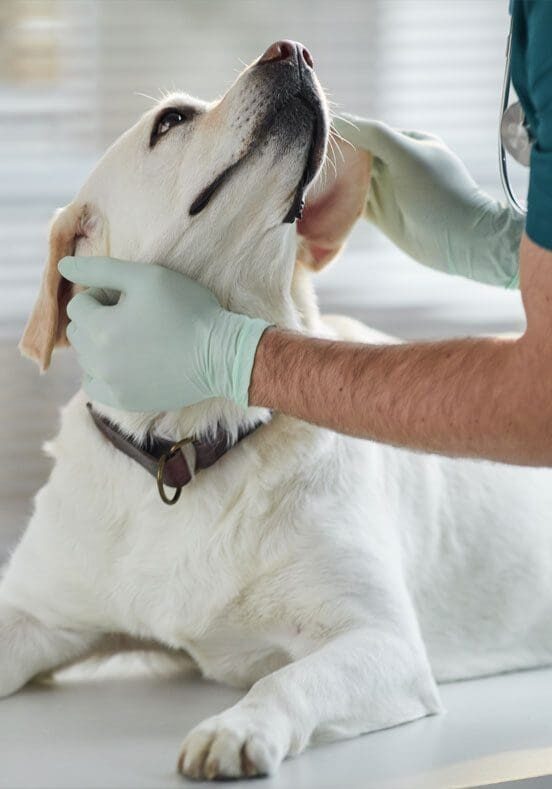
A neurological evaluation begins with a detailed history and physical and neurological examinations. Your neurologist will evaluate your pet’s reflexes, movement, coordination, posture, and responses to help determine which part of the nervous system may be affected.
Depending on those findings, additional testing may be recommended to identify the underlying condition. Diagnostic capabilities at ACCESS include:
-
Neurological examinations
-
Digital X-rays
-
MRI
-
CT scanning
-
Digital myelography
-
Cerebrospinal fluid (CSF) collection and analysis
-
Electrodiagnostic testing when indicated
Medical Neurology
Many neurological conditions can be managed without surgery. Depending on the diagnosis, treatment may involve medication, rehabilitation, supportive care, ongoing monitoring, or a combination of approaches.
Conditions such as epilepsy, vestibular disease, inflammatory disorders of the nervous system, and certain neuromuscular diseases may benefit from long-term medical management. Our Neurology team also communicates with your primary veterinarian to support continuity of care after your visit.

Neurosurgery
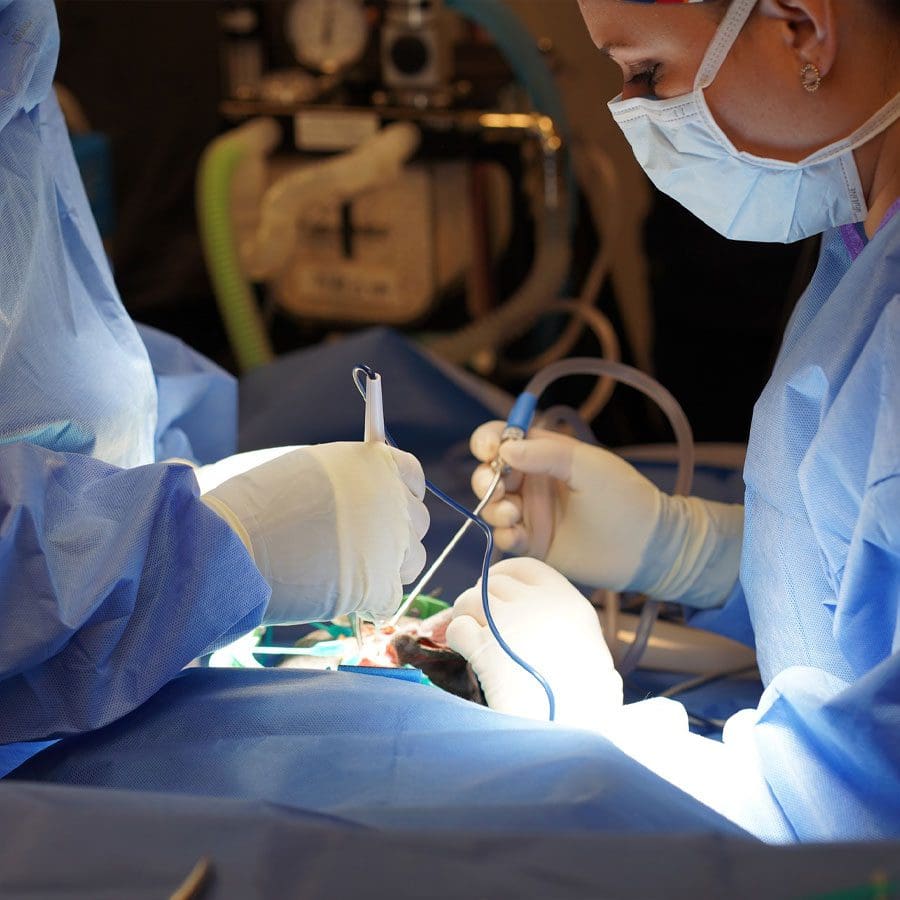
When pressure, instability, injury, or another structural problem affects the brain or spinal cord, surgery may provide the best treatment option.
Neurosurgical procedures available at ACCESS include:
-
Intervertebral disc surgery, including hemilaminectomy and ventral slot procedures
-
Atlantoaxial stabilization
-
Spinal and skull fracture repair
-
Spinal tumor removal
-
Spinal decompression and stabilization procedures
Patients who require surgery have access to ACCESS's 24x7 ICU, allowing for continuous monitoring and postoperative care following neurological procedures.

Meet Your Neurologist: Dr. Stephen Everest, BVM&S, DVSc, DACVIM
Dr. Stephen Everest leads the Neurology Department at ACCESS Specialty Animal Hospital – Palm Beach County. His advanced training includes a Doctor of Veterinary Science degree and Neurology Residency from the Ontario Veterinary College at the University of Guelph, along with multiple neurology-focused internships.
Dr. Everest evaluates and treats complex diseases of the brain, spinal cord, nerves, and muscles, working with pet owners and referring veterinarians to determine the most appropriate approach for each patient.

What Should I Expect After Neurological Treatment or Surgery?
Recovery varies considerably depending on your pet’s diagnosis, the severity of neurological changes, and whether treatment involves medication, surgery, rehabilitation, or ongoing monitoring.
Before your pet leaves the hospital, our team will explain what to expect at home, including activity restrictions, medications, follow-up appointments, and neurological changes to watch for. Some pets recover gradually over days or weeks, while others may require longer-term management or rehabilitation.
Our Neurology team can also coordinate with your primary veterinarian as your pet continues treatment and recovery.
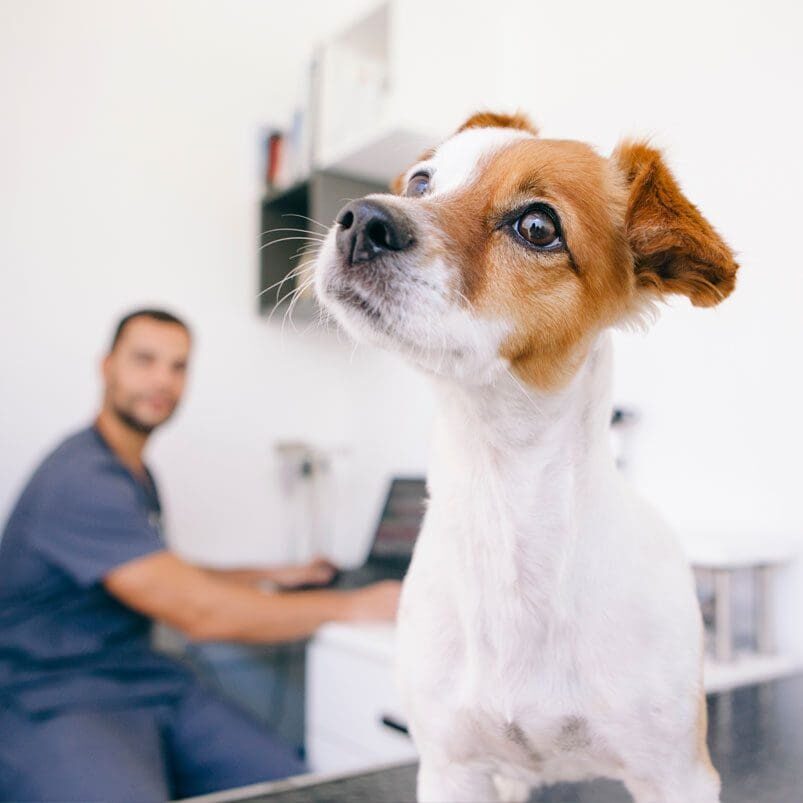
A Team You Can Trust, Technology You Can Count On
At ACCESS, we understand how stressful it is when your pet’s mobility or behavior suddenly changes. Our Neurology team is here to guide you through the process with clarity, compassion, and the most advanced tools available in veterinary medicine today.
For questions about our neurology services, please contact us at (561) 774-8855, or ask your primary veterinarian for a referral.
Frequently Asked Questions About Veterinary Neurology
Your primary veterinarian can refer your pet to ACCESS for a neurological evaluation. If your pet develops a sudden neurological emergency, ACCESS also provides 24x7 emergency care.
No. Your neurologist will first perform an examination to determine where the problem is most likely occurring. MRI, CT, cerebrospinal fluid analysis, X-rays, or other testing may then be recommended based on your pet’s symptoms and examination findings.
No. Many neurological conditions can be treated medically with medications, monitoring, rehabilitation, or supportive care. Surgery may be recommended when a structural problem such as spinal cord compression, instability, a fracture, or certain tumors requires surgical treatment.
Sudden paralysis, inability to stand or walk, repeated or prolonged seizures, loss of consciousness, severe disorientation, or rapidly worsening weakness may require emergency evaluation. If you are unsure whether your pet’s symptoms can wait for a scheduled neurology appointment, call ACCESS at (561) 774-8855.
Botulism is uncommon, but dogs can develop it after exposure to botulinum toxin associated with decomposing animal tissue. During South Florida cold snaps, iguanas may become immobilized or fall from trees, making them easier for dogs to reach. Keep pets away from dead or decomposing iguanas, and contact a veterinarian promptly if your dog develops progressive weakness, difficulty standing, trouble swallowing, or paralysis after possible exposure.