Why Is My Dog Losing Weight?
A dog losing weight often signals an underlying medical or nutritional concern that deserves attention, even when appetite and energy appear normal. Weight loss in dogs rarely happens without a reason, and identifying that reason early can make a meaningful difference in long-term health. When pet owners notice a dog losing weight, they often feel confused, worried, and unsure what the change might mean. This guide explains why a dog losing weight should never be ignored, what patterns to watch for, and how veterinary teams evaluate unexplained weight loss.
ACCESS Specialty Animal Hospital in Palm Beach County provides advanced diagnostic and specialty care for pets facing complex health concerns. If your dog is losing weight, call (561) 774-8855 to schedule an evaluation or ask questions about next steps.
Common Reasons a Dog Is Losing Weight
A dog losing weight can experience changes in metabolism, digestion, muscle mass, or nutrient absorption. Some causes develop slowly, while others progress quickly. In many cases, a dog losing weight shows subtle signs long before the number on the scale drops significantly. These early clues help veterinarians narrow down possible explanations.
Weight loss may involve:
- Gastrointestinal disorders that limit nutrient absorption
- Endocrine conditions that affect metabolism
- Dental or oral discomfort that changes eating behavior
- Chronic inflammatory or infectious diseases
- Neurologic or orthopedic conditions that reduce muscle mass
- Cardiac or respiratory disease that increases energy demands
A dog losing weight may still appear bright, alert, and active. That appearance can delay concern, yet internal changes may already be underway. Veterinarians rely on physical exams, laboratory testing, imaging, and clinical history to understand why a dog losing weight is experiencing these changes.
Weight loss does not always involve reduced food intake. Some dogs eat the same amount or even more while still losing weight. That pattern often points toward metabolic or digestive causes rather than appetite alone.
Why Is My Senior Dog Losing Weight But Still Eating
A senior dog losing weight while maintaining appetite often reflects age-related or chronic medical changes. Older dogs naturally lose muscle mass over time, but noticeable or rapid loss deserves evaluation. When a senior dog is losing weight, veterinarians consider both normal aging and disease processes.
Age-Related Muscle Loss vs. Disease
Muscle loss, called sarcopenia, affects many senior dogs. This process can make a dog losing weight appear thinner even when body fat remains stable. However, true weight loss often indicates additional concerns.
Possible contributors include:
- Thyroid or adrenal hormone imbalance
- Chronic kidney or liver disease
- Intestinal inflammation or malabsorption
- Cardiac conditions that increase caloric demand
A senior dog losing weight may also experience subtle behavioral changes such as shorter walks, longer rest periods, or reduced interest in activity. These shifts often accompany muscle loss and metabolic change.
Veterinary teams use blood panels, urine analysis, imaging, and nutritional assessment to separate normal aging from disease. When a dog losing weight receives early evaluation, clinicians can create a clearer picture of what is happening internally.
Why Is My Dog Losing Weight But Acting Normal
Many owners feel reassured when a dog losing weight still behaves normally. Energy, playfulness, and appetite can remain stable even while internal problems develop. This pattern explains why weight loss often serves as the first visible sign of disease.
Dogs hide discomfort well. A dog losing weight may compensate behaviorally while the body struggles to maintain balance. Subtle clues often appear before dramatic symptoms.
Silent Clues Pet Owners Often Miss
Pet owners may notice:
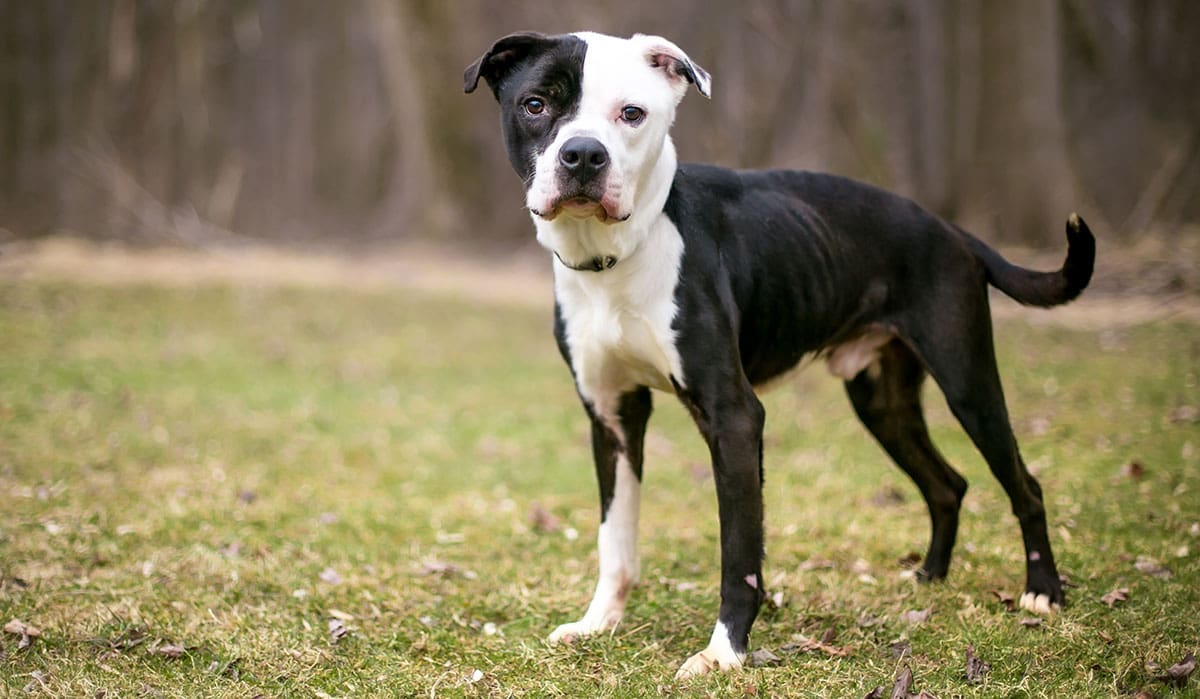
- Ribs becoming more visible
- Spine or hip bones feeling sharper
- Coat texture changing
- Stool consistency changing
- Drinking habits shifting
These details help veterinarians evaluate why a dog losing weight shows no obvious behavioral distress. The goal is not to guess the cause but to confirm it through diagnostic testing.
Medical Conditions Commonly Linked to a Dog Losing Weight
A dog losing weight may face a wide range of medical explanations. Each condition affects the body differently, yet all share one outcome: the body cannot maintain normal weight.
Common categories include:
- Digestive disorders: Inflammation or enzyme deficiencies limit nutrient absorption.
- Hormonal disorders: Metabolic imbalance increases calorie usage.
- Organ disease: Kidneys, liver, or heart may struggle to support normal metabolism.
- Cancer: Tumors alter energy demands and nutrient use.
- Chronic infections: Long-term immune response increases calorie needs.
Veterinarians evaluate these possibilities through structured testing rather than assumptions.
How Veterinarians Evaluate a Dog Losing Weight
When a dog losing weight arrives for evaluation, the veterinary team gathers detailed history. They ask about diet, appetite, activity, bowel habits, and recent changes. Physical exams assess muscle tone, hydration, oral health, and organ size.
Diagnostic tools may include:
- Blood chemistry panels
- Complete blood counts
- Urinalysis
- Fecal testing
- Ultrasound or radiographs
- Nutritional assessments
These tools help determine why a dog losing weight cannot maintain body condition. Both symptoms require structured evaluation to identify underlying causes rather than surface explanations.
When Weight Loss Becomes a Medical Concern
Any unexplained dog losing weight deserves veterinary attention. The concern increases when weight loss occurs quickly, continues over several weeks, or accompanies subtle changes in thirst, appetite, or behavior.
Warning patterns include:
- Weight loss despite stable eating habits
- Weight loss with vomiting or diarrhea
- Weight loss with increased thirst or urination
- Weight loss with lethargy or weakness
A dog losing weight may not appear sick, yet internal disease may progress quietly. Veterinary evaluation provides clarity and guidance without relying on guesswork.
The Emotional Impact of Seeing a Dog Losing Weight
Watching a dog losing weight can feel unsettling. Pet owners often question whether they missed early signs or if the change reflects aging alone. These feelings are normal.
Open communication helps owners feel supported. Clear explanations about testing, possible causes, and next steps reduce uncertainty. Weight loss is not a personal failure. It is a medical sign that deserves attention.
How Specialty Care Supports Dogs With Weight Loss
ACCESS Specialty Animal Hospital offers advanced diagnostic tools and specialty services that help identify complex causes of weight loss. Some dogs require internal medicine evaluation, while others benefit from imaging, nutritional consultation, or specialty monitoring.
Specialty teams focus on:
- Identifying root causes
- Coordinating advanced diagnostics
- Supporting long-term management plans
- Monitoring progress over time
This approach helps ensure a dog losing weight receives accurate answers rather than assumptions.
Final Thoughts for Pet Owners
A dog losing weight sends a message that something inside the body has changed. Even when behavior appears normal, the body may struggle to maintain balance. Early evaluation offers the best opportunity to understand what is happening and how to support your dog’s health.
If your dog is losing weight, or if you have questions about subtle changes you have noticed, contact ACCESS Specialty Animal Hospital in Royal Palm Beach, FL, at (561) 774-8855. Our specialty team can guide you through the next steps with clarity, care, and experience.
Weight loss does not define the outcome. Awareness, evaluation, and professional support create the path forward.
About Us
ACCESS Specialty Animal Hospital – Palm Beach County provides advanced specialty and emergency veterinary care with a focus on compassion, innovation, and collaboration. Through strong partnerships with referring veterinarians and dedicated support for pet owners, we’re committed to delivering the highest standard of care.