
Is Sago Palm Poisonous to Cats?
Yes, sago palm is poisonous to cats. Veterinary teams rank it among the most dangerous ornamental plants because every part of the plant contains toxins that can damage the liver. When families ask if sago palm toxic to cats is truly a concern, the answer is always yes. Even brief contact or a small bite can lead to serious internal injury. Cats may not chew plants often, but fallen seeds and loose leaves still create risk. Because symptoms may start quietly, the danger often feels less urgent than it really is.
In South Florida, sago palms appear in yards, patios, and decorative planters. Their tropical appearance makes them popular, yet many owners do not realize the risk. Understanding why sago palm is toxic to cats helps families recognize exposure sooner. At ACCESS Specialty Animal Hospital in Palm Beach County, our team treats toxic plant cases regularly and sees how quickly these situations escalate. If you ever suspect contact, call (561) 774-8855 right away.
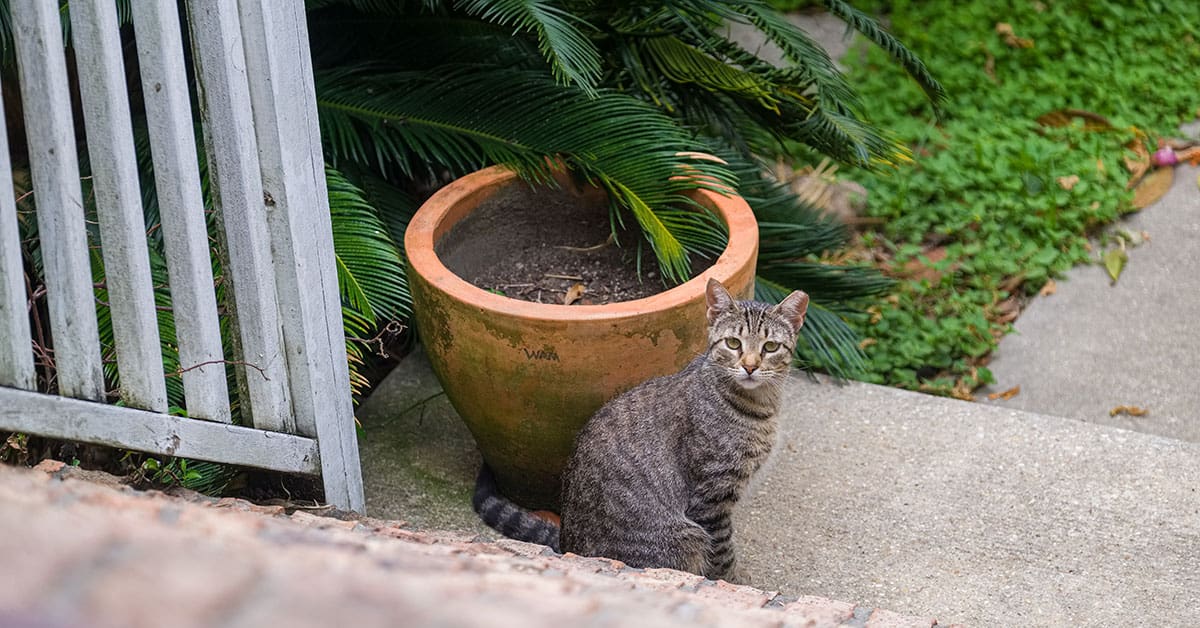
Why Sago Palm is So Dangerous for Cats
Sago palms contain toxic compounds such as cycasin that primarily target the liver. Once inside the body, these toxins disrupt normal liver function and interfere with essential metabolic processes. Veterinarians stress that sago palm does not require large ingestion to cause harm. Seeds and new growth contain the highest toxin levels, but leaves, roots, and stems also remain dangerous. This makes the entire plant unsafe for any cat.
Cats also groom frequently, which increases exposure risk without obvious chewing. Dust or residue on the fur can enter the mouth during grooming. This behavior explains why sago palm is toxic to cats in ways many owners never expect. Outdoor cats encounter fallen seeds hidden in soil or mulch, while indoor cats may brush against decorative plants. In both cases, exposure can occur silently.
Delayed recognition adds to the danger. Some cats appear normal for several hours after contact. During that time, toxins may already damage internal organs. This delay explains why sago palm should always be treated as an emergency.
Common Signs of Sago Palm Toxicity in Cats
Clinical signs vary based on exposure amount and timing. Because sago palm affects the liver, many symptoms reflect inflammation and organ stress. Early signs often appear mild, then progress as toxins circulate. Owners may not immediately connect these changes with plant exposure.
Cats exposed to sago palm may show:
- Drooling or excessive salivation
- Vomiting or retching
- Loss of appetite
- Lethargy or weakness
- Diarrhea or dark stools
- Abdominal discomfort
- Yellowing of the gums or eyes
As toxicity advances, neurological signs such as tremors or disorientation may appear. In severe cases, liver failure can develop. Even one of these signs deserves immediate professional attention.
How Quickly Symptoms May Appear
Some cats show symptoms within hours, while others develop signs over one to three days. This wide range often confuses families. The toxin continues to affect the liver even when outward signs seem mild. That pattern makes sago palm toxic to cats, especially dangerous because waiting increases complication risk. Prompt communication improves outcomes.
How Cats Are Exposed to Sago Palm
Many people assume cats rarely interact with plants, yet exposure occurs more often than expected. Cats may nibble young leaves, bat at seeds that resemble toys, or brush against sap outdoors. Indoor cats may encounter potted plants or trimmed leaves placed indoors.
Florida landscaping trends also increase exposure. Sago palms thrive in tropical climates and appear throughout Royal Palm Beach neighborhoods. Wind and yard work scatter seeds into patios, lawns, and walkways. Exposure often happens unintentionally.
Indoor vs. Outdoor Risk
Outdoor cats face higher exposure because environments remain uncontrolled. However, indoor cats still face danger when sago palms enter the home. Even decorative arrangements can pose a risk. The belief that indoor cats remain protected explains why sago palms continue to cause unexpected emergencies.
Why Even Small Amounts Are Serious
Unlike mild plant irritants, sago palm does not require large ingestion. A single seed or small leaf fragment may deliver enough toxin to damage the liver. The liver manages detoxification, clotting, and energy storage, so injury quickly affects the entire body. This explains why cats can decline rapidly.
Veterinary teams describe sago palm toxic to cats as unpredictable. Some cats worsen within hours, while others decline over several days. The seriousness of even minor contact reinforces the importance of prevention. Removing sago palms from pet environments remains the safest option.
What to Do If You Suspect Exposure
If you believe your cat encountered sago palm, treat the situation as urgent. Do not wait for symptoms. Because sago palm toxicity progresses silently, early evaluation matters.
When contacting a veterinary facility, share:
- Approximate time of contact
- Which part of the plant was involved
- Any symptoms observed
- Your cat’s age and general health
For Palm Beach County pet owners, ACCESS Specialty Animal Hospital provides advanced emergency and specialty care. Call (561) 774-8855 for immediate guidance if exposure is suspected.
How Veterinary Teams Approach Toxic Plant Cases
Veterinary teams treat toxic plant exposure with urgency because organ damage may already be underway. Diagnostic testing helps assess liver function and overall stability. Monitoring allows rapid response if complications develop. Although each case differs, the goal focuses on protecting organ function and limiting toxin effects.
Because sago palm is toxic and affects each cat differently, close observation remains essential. Some cats recover with monitoring, while others require intensive support. The unpredictable nature of toxicity highlights why early action matters.
Preventing Future Exposure
Prevention begins with awareness and environmental control. Removing sago palms from yards, patios, and indoor spaces offers the strongest protection. If removal is not possible, restricting access and supervising outdoor time reduces risk. Sharing information with neighbors further protects community cats.
When to Call for Help
Never hesitate to seek guidance if exposure is possible. Even uncertain contact deserves evaluation. Sago palm toxicity in cats can worsen quickly, and early communication often changes outcomes.
If your cat may have contacted any part of a sago palm, contact ACCESS Specialty Animal Hospital in Royal Palm Beach, FL, at (561) 774-8855. Our team can guide you through next steps.
Final Thoughts for Cat Owners
Sago palms remain beautiful but dangerous plants in pet environments. It’s important to understand that sago palm is toxic to cats and carries life-threatening potential. Awareness, prevention, and prompt action offer the best protection. Informed decisions create safer homes and healthier communities.
About Us
ACCESS Specialty Animal Hospital – Palm Beach County provides advanced specialty and emergency veterinary care with a focus on compassion, innovation, and collaboration. Through strong partnerships with referring veterinarians and dedicated support for pet owners, we’re committed to delivering the highest standard of care.