
Dog Won’t Eat: Causes and When to Seek Care
When a dog won’t eat, it often signals that something has changed in the body or environment. A brief loss of appetite may pass, but a dog not eating for more than a day can point to illness, pain, stress, or digestive upset. Because appetite reflects overall health, pet owners should take notice when meals go untouched. Understanding why a dog won’t eat helps owners recognize patterns, identify warning signs, and decide when professional care is needed.
At ACCESS Specialty Animal Hospital in Royal Palm Beach, FL, our team regularly evaluates dogs whose appetites have declined. Some cases resolve quickly, while others require prompt medical attention. This article explains the most common reasons a dog won’t eat, what to feed a dog that won’t eat, and when to seek veterinary care. If your dog’s eating concerns you, call (561) 774-8855 for guidance or to schedule an appointment.
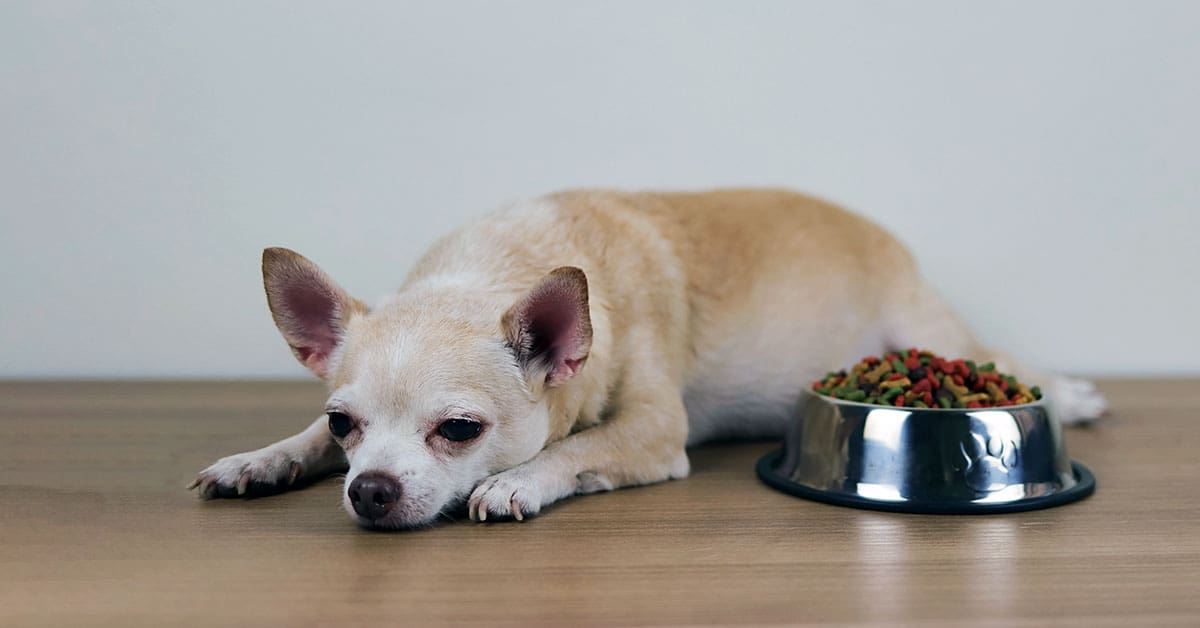
Why Won’t My Dog Eat?
When pet owners ask why a dog won’t eat, the answer often involves more than one factor. Appetite changes reflect physical, emotional, and environmental influences. A dog not eating may feel unwell, uncomfortable, or overwhelmed by changes in routine. In some cases, the cause is temporary, but in others, it signals a developing medical issue.
A dog won’t eat for many reasons, including digestive disturbances, dental pain, infections, metabolic conditions, or exposure to stressful events. Puppies, adult dogs, and senior dogs can all show appetite loss differently. Because dogs rely on food to maintain energy and organ function, a prolonged period of not eating deserves close attention.
Pet owners should observe additional changes when a dog won’t eat. Lethargy, vomiting, diarrhea, coughing, difficulty chewing, or behavioral withdrawal often provide clues. These details help veterinary teams determine if and when your dog needs further evaluation.
Medical Causes of Appetite Loss
Medical conditions remain one of the most common reasons a dog won’t eat. Infections, inflammatory disorders, gastrointestinal disease, organ dysfunction, and endocrine imbalances can all reduce appetite. Pain from arthritis, injuries, or internal inflammation may also cause a dog to avoid meals.
Some dogs stop eating because swallowing or chewing feels uncomfortable. Dental disease, oral masses, and gum inflammation can make each bite painful. In these cases, a dog won’t eat even when food is available and appealing.
Other medical causes may include:
- Digestive tract irritation or obstruction
- Liver or kidney disease
- Pancreatic disorders
- Heart disease
- Neurologic conditions affecting appetite control
Because these conditions vary widely in severity, a dog not eating for more than 24 hours should always be monitored closely.
Behavioral and Environmental Factors
Not every case of a dog that won’t eat comes from illness. Stress, anxiety, routine changes, and environmental disruptions can affect appetite. Travel, boarding, new pets, loud noises, or household changes may cause a dog to not eat for short periods.
Some dogs develop selective eating habits over time. Repeated changes in diet, frequent table scraps, or inconsistent feeding schedules can lead to a dog not eating standard meals. While this behavior may appear harmless, it can mask underlying health concerns.
Pet owners should consider recent lifestyle changes when a dog won’t eat. Identifying emotional or environmental triggers helps distinguish temporary appetite loss from medical problems.
Age-Related Appetite Changes
Age influences eating behavior. Puppies may skip meals during growth spurts or teething. Adult dogs may lose appetite during hormonal changes or stress. Senior dogs often face appetite changes due to reduced senses of smell, slower digestion, or chronic conditions.
When an older dog won’t eat, the risk of dehydration and muscle loss increases. A senior dog not eating should never be ignored, even if the change appears subtle.
What to Feed a Dog That Won’t Eat
When a dog won’t eat, pet owners often wonder what to feed a dog that won’t eat without causing further problems. Nutrition remains important, but appetite loss should not be forced or overlooked. The focus should remain on gentle encouragement and professional guidance when needed.
A dog not eating may respond better to foods with an appealing aroma, softer texture, or warmer temperature. However, persistent appetite loss should always prompt veterinary evaluation before long-term dietary adjustments.
Pet owners can discuss dietary strategies with their veterinary team. Options may include adjusting portion size, food texture, or feeding environment to reduce stress around meals.
Encouraging Safe Eating Habits
When considering what to feed a dog that won’t eat, the goal is to restore interest without creating long-term picky behavior. Establishing consistent feeding times, calm surroundings, and limited distractions helps many dogs regain appetite.
Helpful feeding practices include:
- Offering meals in a quiet, familiar area
- Maintaining a predictable schedule
- Removing uneaten food after a set time
- Avoiding constant food substitutions
These steps support appetite stability when a dog won’t eat due to mild stress or routine disruption.
When Food Changes Are Not Enough
Sometimes, changing what to feed a dog that won’t eat does not solve the problem. A dog not eating despite multiple adjustments may have an underlying condition that requires diagnostic testing. Appetite stimulants, dietary changes, or supportive care should only occur under veterinary supervision.
If your dog won’t eat for more than a day, appears uncomfortable, or shows additional symptoms, professional evaluation becomes essential. Call ACCESS Specialty Animal Hospital in Palm Beach County at (561) 774-8855 to discuss next steps.
When to Seek Veterinary Care
Knowing when to seek care matters when a dog won’t eat. While a single skipped meal may not indicate illness, repeated or prolonged refusal requires attention. A dog not eating can quickly become dehydrated, weak, and vulnerable to complications.
Pet owners should contact a veterinary professional if a dog won’t eat for 24 hours or longer, especially when paired with other symptoms. Early evaluation often leads to faster recovery and better outcomes.
Warning signs that require prompt attention include:
- Vomiting or diarrhea
- Lethargy or weakness
- Weight loss
- Difficulty swallowing or chewing
- Behavioral changes
- Signs of pain
These symptoms often explain why a dog won’t eat and help guide appropriate treatment planning.
Diagnostic Evaluation and Support
When a dog not eating arrives for evaluation, the veterinary team gathers a detailed history, performs a physical exam, and may recommend diagnostic testing. Blood work, imaging, and other assessments help identify infections, organ concerns, or digestive abnormalities.
Treatment focuses on addressing the underlying cause rather than simply restoring appetite. Once the medical issue improves, most dogs regain normal eating habits naturally.
ACCESS Specialty Animal Hospital provides advanced diagnostic and supportive care for dogs whose appetite has changed. Our team works closely with families to explain findings, answer questions, and outline clear care plans.
Long-Term Monitoring
Some dogs experience recurring episodes where a dog won’t eat due to chronic conditions. Ongoing monitoring helps prevent complications and supports consistent nutrition. Pet owners who track appetite patterns provide valuable information during follow-up visits.
A dog not eating occasionally may recover quickly, but repeated appetite loss deserves deeper investigation. Staying proactive helps protect long-term health.
Supporting Your Dog Through Appetite Changes
When a dog won’t eat, it often causes understandable concern. Appetite changes challenge daily routines and raise questions about comfort and health. By recognizing early signs, observing behavior, and seeking professional guidance, pet owners can respond with confidence.
ACCESS Specialty Animal Hospital in Royal Palm Beach, FL, supports families facing appetite concerns every day. If you’re worried about your dog not eating, call (561) 774-8855 to schedule an evaluation or discuss your concerns with our experienced team.
A dog won’t eat for many reasons, but timely care makes a meaningful difference. With attentive observation and veterinary support, most dogs return to healthy, consistent eating habits.
About Us
ACCESS Specialty Animal Hospital – Palm Beach County provides advanced specialty and emergency veterinary care with a focus on compassion, innovation, and collaboration. Through strong partnerships with referring veterinarians and dedicated support for pet owners, we’re committed to delivering the highest standard of care.