
IVDD in Dogs
IVDD in dogs, or intervertebral disc disease, is a spinal condition that affects the cushioning discs between the vertebrae. When those discs weaken, bulge, or rupture, they can press against the spinal cord and surrounding nerves. IVDD often leads to changes in movement, posture, and comfort. Some dogs develop signs slowly, while others show sudden neurologic changes. Understanding IVDD in dogs helps pet owners recognize why prompt veterinary evaluation matters.
IVDD does not look the same in every patient. The location of the affected disc influences which limbs or body functions change. IVDD in dogs may involve the neck, mid‑back, or lower back. Each area controls different nerve pathways. This is why IVDD can range from mild stiffness to significant mobility challenges.
At ACCESS Specialty Animal Hospital in Palm Beach County, our specialty teams evaluate IVDD in dogs using advanced imaging and neurologic exams. We focus on clear explanations, coordinated care, and compassionate communication. If you have concerns about your dog, call (561) 774-8855 for guidance or scheduling.
IVDD in Dogs: Quick Answers
What is IVDD in dogs?
IVDD is a spinal condition involving degeneration or displacement of the intervertebral discs, which can place pressure on a dog’s spinal cord and nerves.
What are common signs of IVDD in dogs?
Changes may include stiffness, reluctance to jump, weakness, wobbling, vocalizing with movement, or posture changes.
Which dogs are most at risk for IVDD?
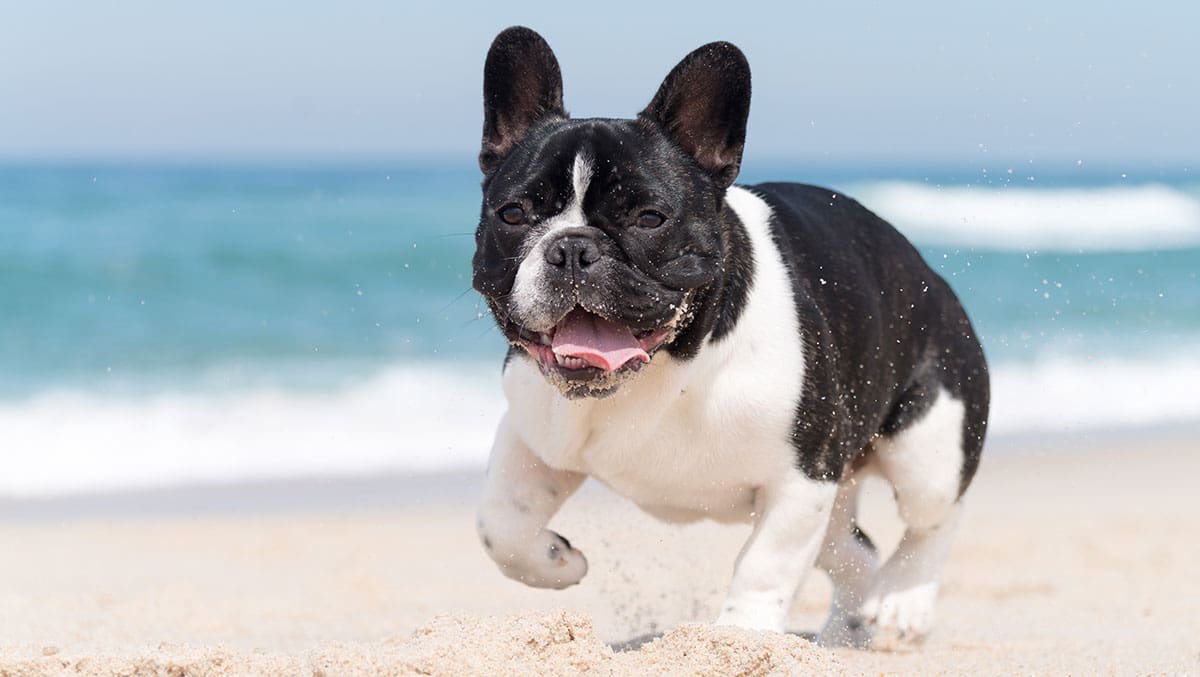
Breeds with certain disc structures, such as Dachshunds and French Bulldogs, face higher risk, though IVDD can affect any breed.
Can IVDD affect quality of life?
IVDD in dogs affects mobility differently in each patient. Many dogs continue to enjoy daily routines with proper veterinary monitoring.
When should a dog with suspected IVDD be evaluated?
Sudden weakness, coordination changes, or persistent spinal discomfort should prompt veterinary assessment.
What’s IVDD in Dogs?
IVDD in dogs refers to degeneration or displacement of the spinal discs. These discs normally absorb shock and allow smooth movement between vertebrae. When IVDD develops, that protective function decreases. The disc may harden, bulge outward, or rupture, creating pressure on the spinal cord. This pressure interferes with normal nerve signaling.
IVDD commonly follows two structural patterns. In one, discs become brittle and prone to sudden rupture. In the other, discs weaken gradually and bulge over time. Both patterns can produce similar neurologic effects. Because IVDD in dogs cannot be confirmed through observation alone, veterinarians rely on neurologic exams and imaging to locate and assess spinal compression.
IVDD may affect:
- Neck mobility and head posture
- Back flexibility and comfort
- Limb strength and coordination
- Balance and gait
- Bladder and bowel control
IVDD can progress at different speeds. Some dogs remain stable for long periods, while others experience rapid changes. Close monitoring allows veterinary teams to guide families through realistic expectations.
Breeds Commonly Affected by IVDD
IVDD in dogs occurs more frequently in certain breeds due to inherited disc structures. Commonly affected breeds include:
- Dachshunds
- French Bulldogs
- Beagles
- Cocker Spaniels
- Shih Tzus
- Pekingese
Larger breeds and mixed‑breed dogs can also develop IVDD. Breed risk increases the likelihood, but it does not guarantee a disease.
What Causes IVDD in Dogs?
IVDD in dogs develops primarily from disc degeneration. Genetics strongly influence disc composition and durability. Over time, discs lose hydration and flexibility, making them less able to absorb shock. These structural changes increase the risk of bulging or rupture.
Additional contributing factors include:
- Natural aging of spinal tissue
- Excess body weight, increasing spinal load
- Repetitive spinal strain
- Awkward twisting or jumping motions
- Inflammatory response around the spinal cord
IVDD does not always follow a clear trigger. In many cases, routine movement reveals an underlying disc problem that already existed. Inflammation then amplifies nerve sensitivity, which explains why IVDD in dogs can appear to worsen quickly.
Environmental factors may influence symptom onset. Slippery floors, frequent jumping onto furniture, and poor stair support can increase spinal stress in predisposed dogs. While these factors do not directly cause IVDD in dogs, they can contribute to symptom expression.
Early Signs Linked to IVDD in Dogs
Early recognition supports faster evaluation. IVDD in dogs may present with:
- Reluctance to jump or climb
- Stiff or hunched posture
- Crying out during movement
- Weakness in one or more limbs
- Wobbling or dragging toes
- Changes in bladder or bowel habits
Neck involvement often affects head movement. Lower back involvement usually affects rear limb strength. Reporting these details helps veterinarians localize spinal involvement.
How to Prevent IVDD
IVDD in dogs cannot always be prevented, especially when genetics play a role. However, lifestyle choices can reduce spinal strain and support long‑term mobility. Maintaining a healthy body weight remains one of the most important preventive strategies.
Helpful prevention-focused habits include:
- Providing non‑slip flooring
- Using ramps for furniture access
- Supporting safe stair navigation
- Encouraging controlled, balanced activity
- Monitoring posture and movement changes
Strong muscles help stabilize the spine and distribute movement forces. Consistent, low‑impact activity supports spinal health without excessive strain. Regular veterinary exams also allow early detection of subtle changes linked to IVDD.
Nutrition plays an indirect role by supporting healthy weight and tissue maintenance. Preventive conversations focus on long‑term spinal support rather than short‑term fixes.
When to Seek Veterinary Evaluation
Prompt evaluation is important if IVDD is suspected. Contact a veterinary professional if your dog shows:
- Sudden weakness or inability to stand
- Loss of coordination
- Ongoing spinal pain
- Bladder or bowel changes
- Rapid mobility decline
Neurologic exams and advanced imaging allow accurate localization and clearer discussions about next steps.
Living With IVDD
IVDD often becomes a long‑term condition that requires monitoring and partnership. Each dog experiences IVDD differently. Some maintain stable mobility, while others need closer observation. Ongoing communication helps families recognize meaningful changes.
Quality of life remains central to IVDD management. Veterinary teams focus on comfort, movement, and emotional well‑being. Many dogs adapt well when they feel supported and understood.
ACCESS Specialty Animal Hospital in Royal Palm Beach, FL, offers advanced diagnostic resources and specialty expertise for dogs with IVDD. Our coordinated approach combines neurologic insight, imaging technology, and compassionate guidance. If your dog shows signs of IVDD or you have questions about spinal health, call (561) 774-8855 to speak with our team.
About Us
ACCESS Specialty Animal Hospital – Palm Beach County provides advanced specialty and emergency veterinary care with a focus on compassion, innovation, and collaboration. Through strong partnerships with referring veterinarians and dedicated support for pet owners, we’re committed to delivering the highest standard of care.