
Cat Not Peeing: Causes and Emergency Care
When a cat is not peeing, the situation can move from subtle to life‑threatening very quickly. A cat not peeing often points to a blockage, inflammation, or underlying disease that interferes with normal urinary flow. If your cat isn’t peeing, the body cannot remove waste and toxins efficiently, which places strain on the bladder, kidneys, and entire system. This makes cat not peeing one of the most urgent symptoms a pet owner can notice. Understanding what it means when a cat isn’t peeing helps you recognize the seriousness of the situation and act quickly.
If your cat is not peeing or your cat isn’t peeing at all, contact ACCESS Specialty Animal Hospital in Palm Beach County at (561) 774-8855 for immediate guidance or to schedule an urgent evaluation.
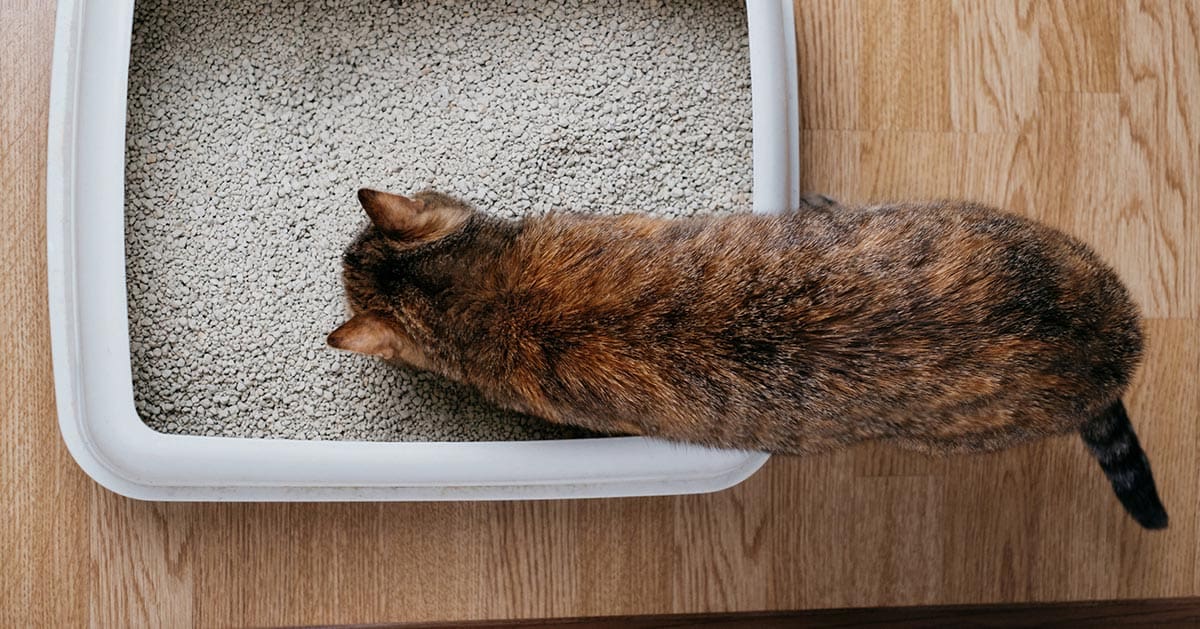
How Often Do Cats Pee?
Healthy adult cats usually urinate multiple times per day, although frequency can vary based on hydration, diet, age, and activity level. Most cats will pee two to four times daily under normal conditions. When a cat that isn’t peeing becomes noticeable, it usually means that several hours or even a full day has passed without urine production. This change is significant and should never be dismissed as normal behavior. A cat that isn’t peeing is very different from a cat that pees less frequently.
A cat not peeing may still visit the litter box repeatedly, which can confuse pet owners. You might see scratching, circling, or brief attempts with no urine output. In some cases, only a few drops appear. These signs suggest that the bladder is not emptying properly. Over time, pressure builds inside the bladder, causing pain and increasing the risk of rupture or kidney damage.
Hydration, temperature, stress, and changes in routine can influence urinary habits, but they should never stop urination completely. If your cat isn’t peeing for more than 12 to 24 hours, the situation requires immediate attention. Male cats are especially vulnerable due to their narrower urethra, but female cats can also experience serious urinary complications. A cat not peeing is always considered an emergency until proven otherwise.
Common factors that can change how often cats pee include:
- Water intake and diet type
- Stress or environmental changes
- Age-related kidney or bladder changes
- Inflammatory urinary conditions
- Structural or obstructive issues
When you notice your cat not peeing, these underlying factors may already be causing harm. Prompt veterinary evaluation gives your cat the best chance for a safe recovery.
Cat Squatting But Not Peeing
Seeing a cat squatting but not peeing is one of the most alarming signs of urinary trouble. This behavior often looks like repeated trips to the litter box with little or no urine produced. A cat not peeing in this situation is usually experiencing discomfort, pressure, or obstruction within the urinary tract. When a cat isn’t peeing but continues to strain, the bladder can become dangerously overfilled.
This pattern often points to a blockage, inflammation, or spasm in the urethra. The bladder continues to fill while the exit pathway remains restricted. Over time, toxins build up in the bloodstream, which can affect the heart, kidneys, and brain. A cat not peeing in combination with straining is one of the clearest emergency warning signs.
Signs That Squatting Has Become an Emergency
Before complete blockage occurs, you may notice subtle changes that progress quickly. A cat not peeing may show:
- Vocalizing while in the litter box
- Restlessness or pacing
- Licking the genital area
- Small droplets or no urine at all
- A hunched posture while squatting
If your cat isn’t peeing and displays any of these signs, the situation can worsen within hours. Bladder rupture, kidney failure, and life‑threatening electrolyte imbalances can follow if the obstruction is not relieved. A cat not peeing should never be monitored at home in hopes it resolves on its own.
Even if urine appears briefly, a cat that isn’t peeing normally may still have a partial blockage. Partial obstruction can become complete without warning. That is why a cat not peeing combined with straining always warrants immediate professional care.
Cat Not Peeing But Acting Normal
One of the most misleading situations occurs when a cat is not peeing but still seems comfortable. The cat may continue eating, grooming, or interacting as usual. This can create a false sense of security for pet owners. Unfortunately, internal damage can already be developing during this stage.
Cats instinctively hide pain. A cat not peeing may appear calm while experiencing rising bladder pressure or kidney stress. By the time outward signs appear, the condition may already be advanced. This is why litter box monitoring plays such an important role in early detection.
A cat not peeing but acting normal may be dealing with:
- Early urinary obstruction
- Bladder inflammation
- Urinary crystals or debris
- Neurologic bladder dysfunction
- Underlying kidney disease
Why “Acting Normal” Can Be Dangerous
When a cat that isn’t peeing goes unnoticed, toxins begin to circulate in the bloodstream. This can lead to weakness, vomiting, abnormal heart rhythms, and collapse. The longer a cat isn’t peeing, the more severe the consequences become. Waiting for visible distress can reduce treatment success.
Even subtle litter box changes should be taken seriously. A cat not peeing once in a full day deserves urgent evaluation, even if behavior seems unchanged. Acting early protects long‑term organ function and overall comfort.
Common Causes of a Cat Not Peeing
A cat not peeing can stem from several medical conditions that interfere with normal urinary flow. Some causes develop suddenly, while others progress over time. Regardless of origin, a cat not peeing always signals that the urinary system is under significant stress.
Potential causes include:
- Urethral obstruction from crystals or debris
- Bladder inflammation or infection
- Urinary stones
- Spasms of the urethral muscles
- Trauma affecting the urinary tract
- Neurologic conditions affecting bladder control
- Advanced kidney disease
In male cats, the narrow urethra makes blockages more likely. Female cats can also experience urinary retention due to inflammation or structural problems. A cat isn’t peeing because the bladder cannot empty, not because the bladder is not producing urine.
Over time, continued urine retention stretches the bladder wall and damages surrounding tissues. It also places backward pressure on the kidneys, which can compromise filtration. This is why timely care is essential whenever a cat isn’t peeing.
Why a Cat Not Peeing is a Medical Emergency
A cat not peeing is never a minor issue. Within 24 to 48 hours, a complete urinary blockage can become fatal without intervention. A cat that isn’t peeing cannot regulate electrolytes or remove metabolic waste. This leads to rapid systemic illness.
Emergency risks include:
- Bladder rupture
- Acute kidney failure
- Dangerous potassium imbalances
- Heart rhythm disturbances
- Severe dehydration
- Sudden collapse
Each hour that the cat does not pee increases the risk of irreversible damage. Even partial blockages require urgent assessment because they can progress without warning. A cat not peeing is one of the most time‑sensitive feline emergencies.
What to Expect During a Veterinary Evaluation
When a cat is not peeing, the veterinary team focuses on stabilizing the bladder and identifying the cause. The goal is to relieve pressure, protect kidney function, and prevent further complications. Evaluation begins with a physical exam and bladder assessment. Diagnostic imaging and laboratory testing help clarify what is preventing urine flow.
The care team may assess:
- Bladder size and firmness
- Kidney function indicators
- Electrolyte balance
- Presence of stones or debris
- Signs of inflammation or trauma
Treatment plans depend on the findings, but the priority remains restoring safe urinary flow and supporting organ function. A cat not peeing often requires close monitoring until normal urination resumes. Each case is different, which is why individualized care is essential.
When to Call ACCESS Specialty Animal Hospital in Palm Beach County
If your cat is not peeing, your cat isn’t peeing regularly, or you notice straining with little output, contact ACCESS Specialty Animal Hospital in Royal Palm Beach, FL right away. Call (561) 774-8855 for guidance or to arrange immediate care. Early action can prevent life‑threatening complications and improve long‑term outcomes.
About Us
ACCESS Specialty Animal Hospital – Palm Beach County provides advanced specialty and emergency veterinary care with a focus on compassion, innovation, and collaboration. Through strong partnerships with referring veterinarians and dedicated support for pet owners, we’re committed to delivering the highest standard of care.